


By Madisen Carter, Intern
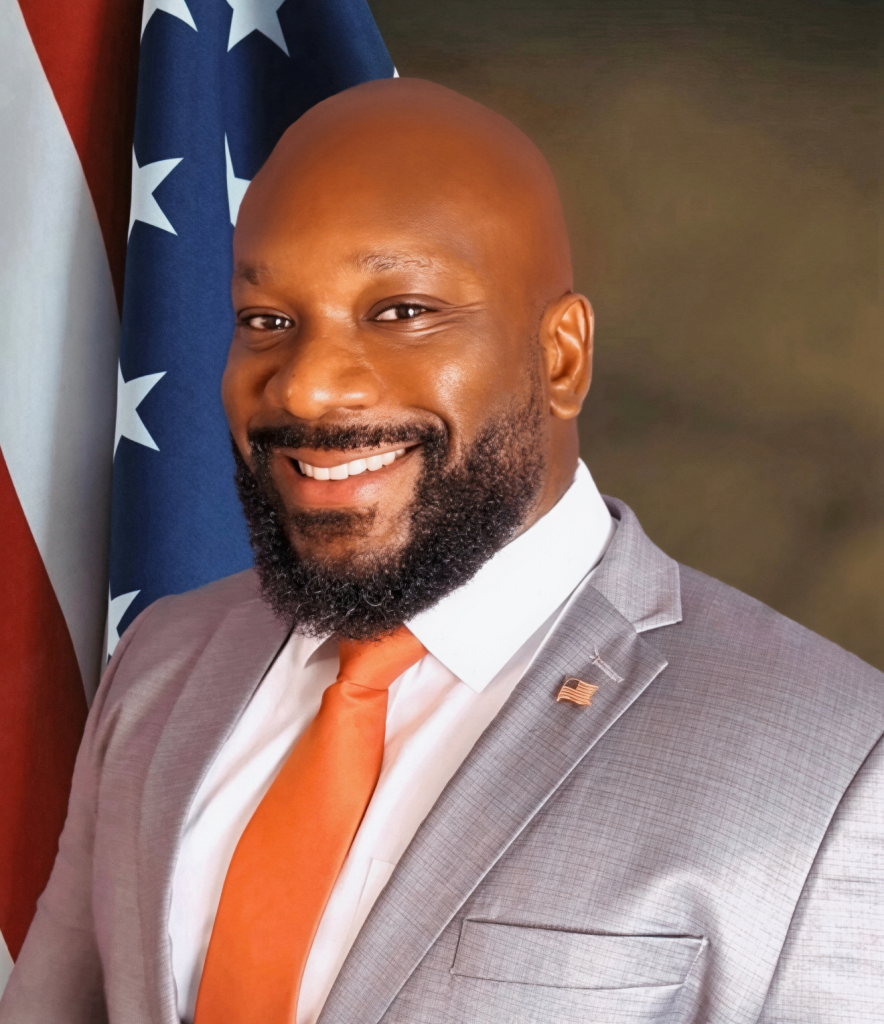
When Nick Thomas enlisted in the U.S. Navy in 1996, he had no idea he was about to discover a career that would shape the rest of his life. In fact, he had never even heard of air traffic control growing up in Alabama.
“I kind of stumbled into it by accident,” Thomas said. “I scored high enough on the military entrance test to qualify for air traffic control, and once I learned what the job involved, it really sparked my interest.”
That unexpected opportunity led Thomas to air traffic control school in the Navy and eventually to duty stations in Sicily, Jacksonville, Florida, and San Diego, California. After leaving active duty in 2006, he joined the Federal Aviation Administration and continued his career as an air traffic controller, ultimately bringing his experience to Montgomery Regional Airport.
Today, Thomas helps manage one of the airport’s most critical operations: safely guiding aircraft through the skies and across the runways. He says many travelers never realize how much coordination happens behind the scenes before a flight ever takes off.
“Air traffic controllers are responsible for separating aircraft, preventing collisions, and making sure everything moves safely and efficiently,” he explained. “Without air traffic control, the system would be chaotic.”
A typical day in the control tower is anything but quiet. Commercial flights arrive and depart throughout the day, flight schools conduct training operations, military aircraft from the Alabama Air National Guard’s 187th Fighter Wing operate nearby, and controllers simultaneously train the next generation of aviation professionals.
“There’s a lot of activity,” Thomas said. “This airport is growing, and with new leadership and continued development, it’s only getting busier.”
Because controllers are responsible for the safety of countless passengers and crew members, Thomas says the job requires a unique combination of skills.
“You have to have a cool head, thick skin, and be able to make quick decisions,” he said. “You’re responsible for many lives at any given time, so you have to stay calm and poised under pressure.”
One of the biggest challenges of the profession is adapting to constant change. Technology, procedures, and regulations continue to evolve, requiring controllers to remain flexible and continuously learn throughout their careers.
“The system is always changing,” Thomas said. “New policies, new technology, new procedures—you have to be able to adapt and keep up with those changes.”
Despite the demands, Thomas finds the work deeply rewarding. He takes pride in seeing airport operations run smoothly, supporting fellow controllers, and knowing that thousands of travelers safely reach their destinations each day because of the teamwork happening inside the tower.
For young people interested in aviation, Thomas encourages curiosity and initiative.
“Do your research, reach out to your local airport, make connections, and ask questions,” he said. “There are people willing to help point you in the right direction. Sometimes all it takes is a phone call, an email, or a simple Google search to get started.”
Above all, Thomas hopes the public gains a greater appreciation for the professionals working behind the scenes every time they board a flight.
“There are highly trained people working every day to get you safely from one destination to another,” he said. “Air traffic control may not always be visible to passengers, but it’s an essential part of every safe and successful flight.”
All rights reserved, Gumptown Magazine, LLC. Copyright 2026.
