


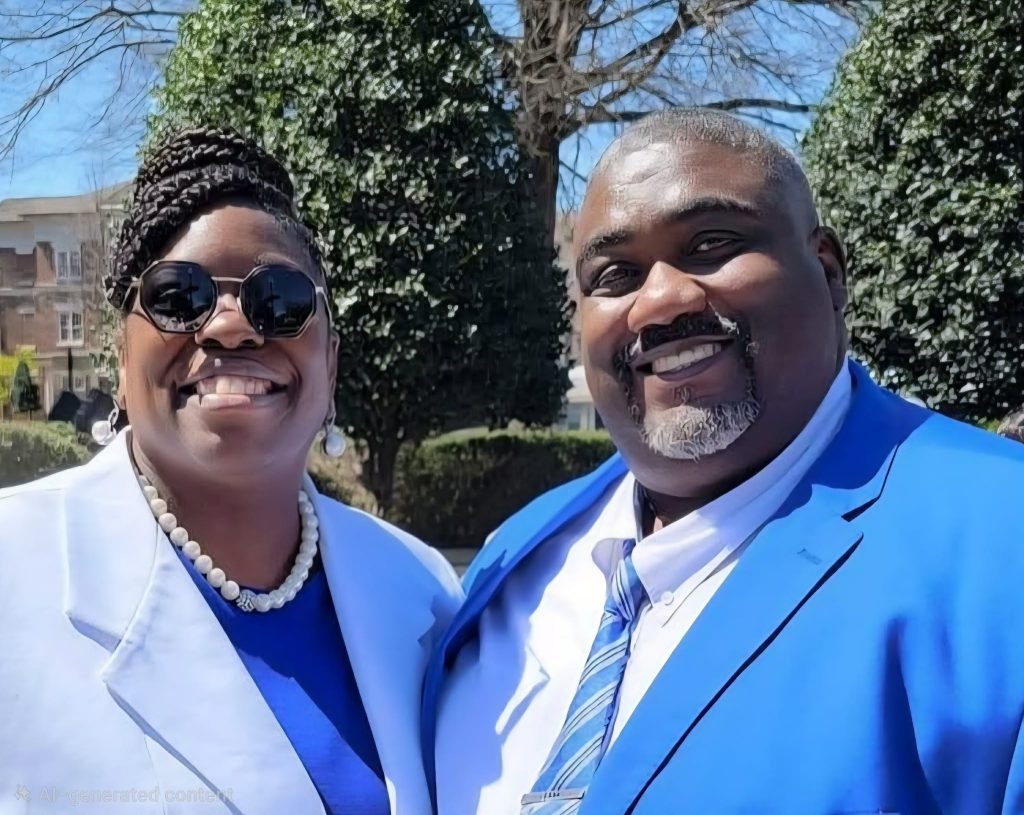
By Robert and Tonya Allen
After losing our 24-year-old son, Bobby, we entered a season of isolation that many people misunderstood. Our withdrawal was interpreted by some as distance from Christ. Others quietly questioned our faith because we were no longer as visible, vocal, or present as we once had been. We share this not to defend ourselves, but to bring understanding to a kind of grief that does not look the way people expect it to look—even within the church. Our isolation was not a rejection of Christ. It was survival.
Grief stripped us of energy, language, and familiarity. The rhythms of life and faith we once moved through so easily no longer fit the weight we were carrying. We did not step away from God; we stepped inward with Him. Our faith did not disappear—it became quieter, heavier, and more intimate. What many could not see is that silence does not mean absence, and withdrawal does not mean unbelief.
Faith does not look the same in every season. For many believers, faith is most easily recognized through outward expressions—church attendance, service, public worship, spoken Scripture. When those expressions changed for us, it was easy for others to assume our relationship with God had changed too. But Scripture shows us again and again that faith often turns inward during seasons of suffering.
Jesus Himself “often withdrew to lonely places and prayed” (Luke 5:16). He stepped away from crowds, expectations, and demands—not because He lacked faith, but because He needed communion with the Father. Job sat in ashes, saying little, surrounded by pain that defied explanation. David hid in caves while still writing psalms of trust. Even Christ, in His deepest anguish, prayed alone in Gethsemane, asking the Father to stay near while His soul was overwhelmed with sorrow. None of these moments were evidence of spiritual failure. They were evidence of faith under pressure.
Our isolation looked similar. We were not walking away from God—we were clinging to Him without the strength to perform faith publicly.
Grief is not disobedience. After losing our son, we did not have the strength to reassure others, explain our pain, or demonstrate spiritual resilience. We were learning how to breathe again in a world that no longer made sense. Grief demanded space—not because we did not love God, but because our hearts had been shattered. Some mistook our silence for distance from God, when in truth, God was closer to us than ever.
“The Lord is close to the brokenhearted and saves those who are crushed in spirit” (Psalm 34:18). That promise became deeply personal. We did not feel strong—but we felt held. The word crushed perfectly describes where grief took us: pressed beyond capacity, collapsed inward under unbearable weight. Yet God did not retreat from that brokenness. He moved closer. Isolation became the place where our faith was preserved, not abandoned.
Our quiet faith was still faith.
Grief reshaped our relationship with Christ. Our prayers grew fewer in words and heavier in meaning. Some days, prayer was nothing more than tears. Other days, it was simply sitting in God’s presence without explanation or expectation. That kind of faith may look like absence from the outside, but it is often the deepest form of trust. We were not turning away from Christ—we were leaning into Him in a way that required silence.
There is a danger in measuring faith by visibility. When believers assume someone has “fallen away” because they are less present, less joyful, or less engaged, it places an unnecessary burden on an already wounded heart. Grief does not follow church calendars or community expectations. It follows the slow, uneven pace of a soul learning how to survive loss.
When support turns into speculation, grieving believers are left feeling unseen and spiritually misunderstood. What they need most is not correction—but compassion.
What we needed in that season may not be what another grieving parent needs. We did not need pressure to return. We did not need questions about our faith. We did not need assumptions about our silence. We needed patience. We needed grace. We needed room to heal without being spiritually labeled.
Christ gave us exactly that. He did not rush us. He did not question our devotion. He did not demand explanations. He stayed. Quietly. Faithfully. Constantly.
So our gentle word to the church is this: when someone grows quiet after loss, resist the urge to interpret their silence as separation from God. Remember that some wounds require withdrawal. Some faith journeys must be walked alone for a season. And some of the strongest believers are fighting battles no one can see. Faith does not vanish in isolation. God does not abandon the grieving. And silence is not the same as turning away. We did not leave Christ. We leaned into Him—quietly, painfully, and honestly. And He never left us.
All rights reserved, Gumptown Magazine, LLC. Copyright 2026.
